What Is a Fever in Children?
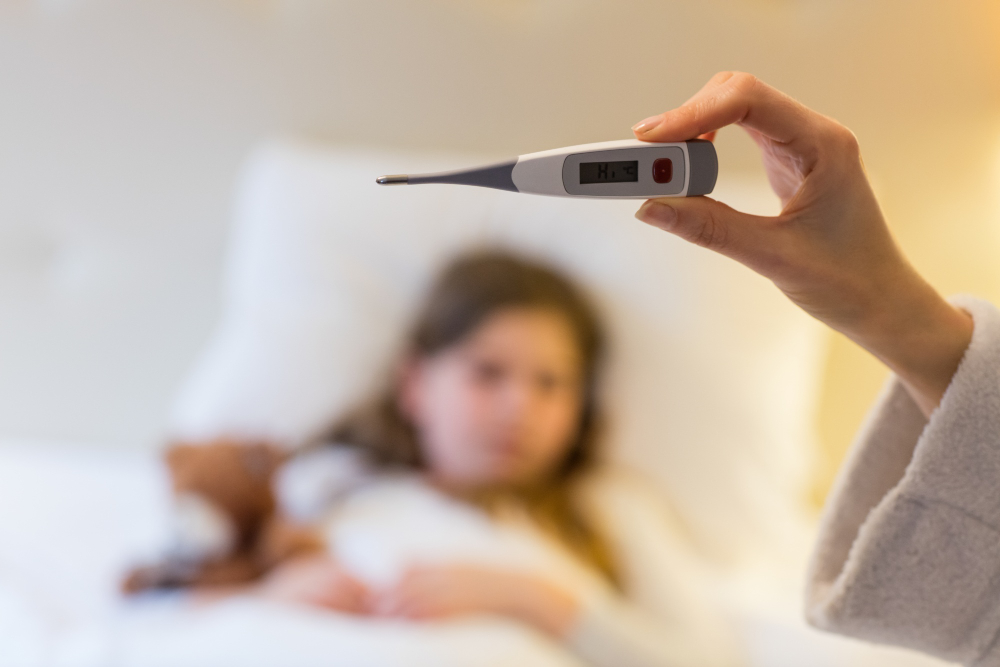
Fever in children is a common concern for parents. A fever means your child’s body temperature is higher than normal. Usually, a child’s normal temperature is about 98.6°F (37°C). However, it can vary a little during the day. Doctors often call it a fever when the temperature is 100.4°F (38°C) or higher. Although fevers can be scary, they are often the body’s way of fighting infection. Still, it is important to know when a child’s fever is serious and needs medical attention.
Common Causes of Fever in Children
Many things can cause a fever in children. Most fevers are not dangerous and go away on their own. For example, common causes include:
In rare cases, fever can signal a more serious illness. Therefore, knowing the cause helps you decide what to do next.
Symptoms: When to Worry About a Child’s Fever
Most fevers are mild and do not need special treatment. However, some symptoms mean you should seek help right away. Watch for these warning signs:
If your child has any of these symptoms, call your doctor or visit the emergency room. Early action can help prevent serious problems.
How to Measure and Monitor Fever at Home
Accurate temperature checks are important. You can use a digital thermometer for best results. Here is how to measure your child’s temperature:
Always follow the instructions on your thermometer. Write down the temperature, time, and any other symptoms. This information helps your doctor if you need to call for advice.
Diagnosis: When to See a Doctor
Sometimes, it is hard to know when a child’s fever is serious. You should see a doctor if:
Doctors may ask about your child’s symptoms and medical history. They might do a physical exam or order tests, such as blood or urine tests, to find the cause. Quick diagnosis helps your child get the right treatment.
Treatment and Home Care Tips
Most fevers in children can be managed at home. Here are some safe treatment tips:
If your child refuses to eat but drinks fluids, that is usually okay for a short time. However, always follow your doctor’s advice for medicine and care.
Prevention and Reducing Risks
While you cannot prevent all fevers, you can lower your child’s risk of infections. Try these steps:
These habits help protect your child and others from illness.
Frequently Asked Questions (FAQs)
Conclusion and Call-to-Action
Fever in children is common and often not serious. However, knowing the warning signs helps you act quickly if needed. If you are concerned about your child’s fever, consult a pediatrician for personalized advice. Early care can make a big difference in your child’s health and comfort.