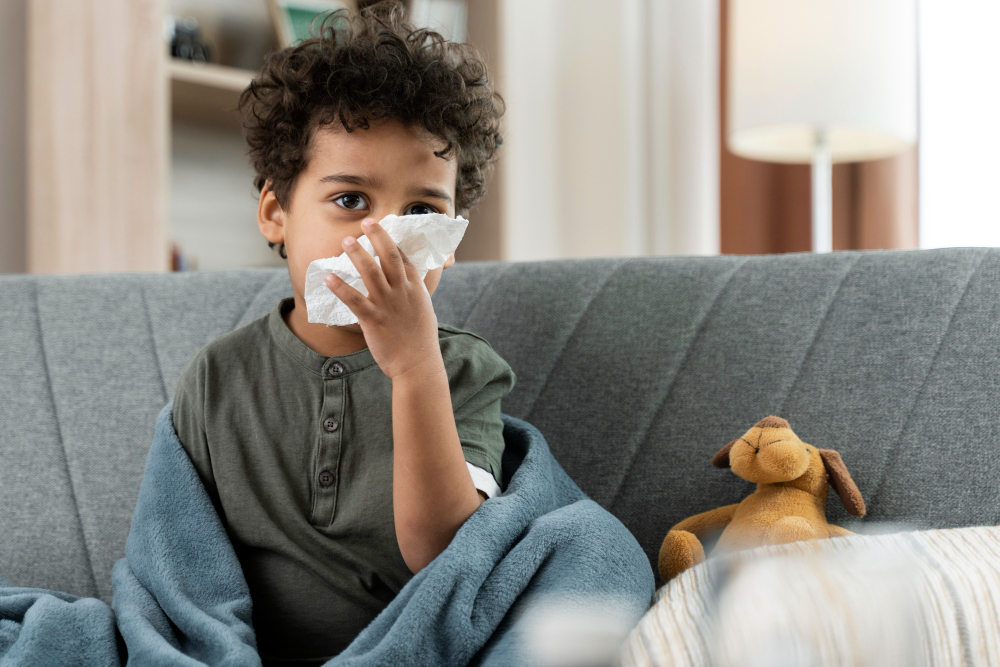
What is Pediatric Flu?
Pediatric flu is a common illness in children. It is caused by the influenza virus. This virus spreads easily, especially during flu season. Children can catch the flu at school, daycare, or even at home. Because the flu can make kids very sick, it is important to know the signs and how to prevent it. According to the CDC, children under five are at higher risk for flu complications.
Common Symptoms in Children
Flu symptoms in children can appear quickly. Some signs may look like a cold, but the flu is usually more severe. For example, your child may have:
However, not all children will have every symptom. Sometimes, the flu can lead to serious problems like pneumonia or ear infections.
Causes and Risk Factors
The main cause of pediatric flu is the influenza virus. This virus spreads through droplets when someone coughs or sneezes. Kids can also get the flu by touching surfaces with the virus and then touching their mouth or nose. Additionally, some children are at higher risk, such as:
Because the flu spreads easily, crowded places can increase the risk.
Diagnosis Methods
Doctors use several ways to diagnose pediatric flu. First, they ask about your child’s symptoms and check for signs of illness. Next, they may do a physical exam. Sometimes, doctors use a quick flu test by swabbing the nose or throat. This test can show if your child has the flu virus. However, not all children need this test, especially if flu is already spreading in your area.
Treatment Options
Treating pediatric flu focuses on easing symptoms and helping your child recover. Most children get better at home with rest and fluids. However, some may need medicine. Doctors may prescribe antiviral drugs if your child is at high risk or very sick. These medicines work best when started early. Over-the-counter pain relievers can help with fever and aches, but always follow your doctor’s advice.
Home Care and Lifestyle Guidance
At home, you can help your child feel better with simple steps. For example:
Because children can spread the flu, good hygiene is important. Teach your child to wash hands often and cover coughs or sneezes.
Prevention Tips for Families
Preventing flu in children is possible with a few simple steps. Most importantly, get your child a flu vaccine every year. The CDC says this is the best way to protect against the flu. In addition, you can:
Because the flu spreads quickly, these steps help keep your whole family healthy.
When to See a Doctor
Sometimes, pediatric flu can become serious. Therefore, call your doctor if your child:
Early medical care can prevent serious problems. If you are unsure, it is always best to ask your pediatrician.
Consult a pediatrician for personalized advice on pediatric flu.