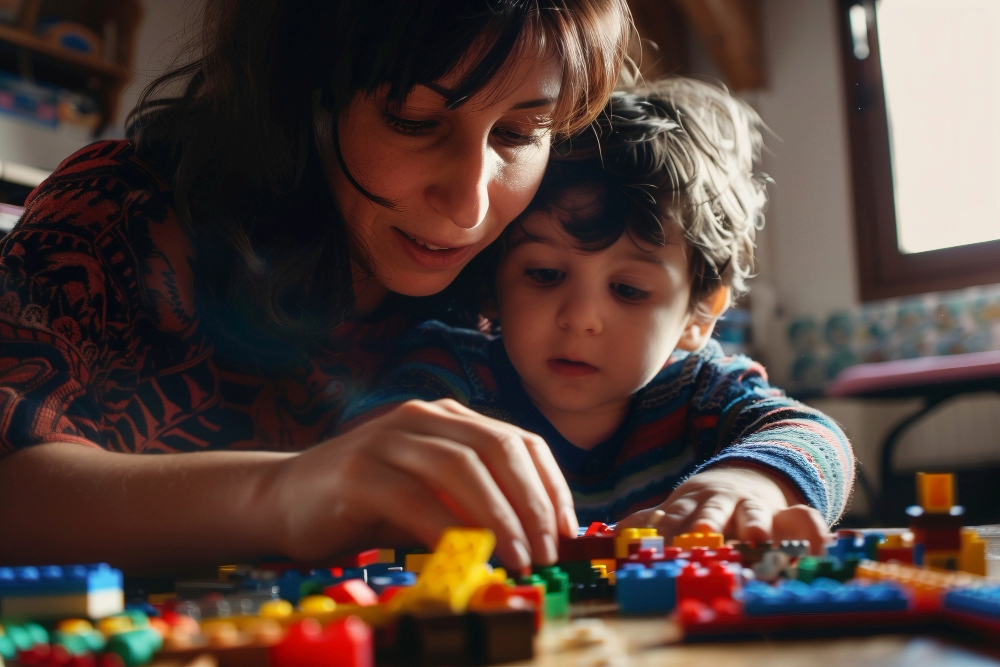
Introduction to Autism Spectrum Disorder (ASD)
Autism spectrum disorder (ASD) is a condition that affects how children communicate, learn, and interact. Many parents worry about their child’s development. Because early signs can be subtle, it is important to know what to look for. According to the CDC, about 1 in 36 children in the United States is diagnosed with ASD. Early awareness helps families find the right support.
Typical Developmental Milestones in Children
Children grow and learn at their own pace. However, most reach certain skills at similar ages. These skills are called developmental milestones. For example, babies usually smile by 2 months and say simple words by 12 months. Knowing these milestones helps parents track their child’s progress.
Of course, every child is different. Still, missing several milestones may signal a need for evaluation.
Early Signs and Symptoms of ASD Related to Developmental Milestones
Some children with autism spectrum disorder may not meet typical milestones. For instance, they might not respond to their name or make eye contact. In addition, they may not point to show interest or use gestures. Early signs of autism in children often appear before age three.
Because these signs can be easy to miss, regular checkups are important.
How ASD Affects Developmental Progress
Children with ASD may develop skills at a different pace. For example, some may learn to read early but struggle with talking. Others may have trouble with social skills but do well in other areas. However, delays in speech, play, or social interaction are common. Not all children with delays have ASD, but it is wise to ask a doctor if you notice concerns.
Diagnosis: When and How to Seek Evaluation
Early diagnosis of ASD can make a big difference. If you notice delays or early signs of autism in your child, talk to your pediatrician. Usually, doctors use checklists and observe your child’s behavior. Sometimes, they may refer you to a specialist for further testing. The CDC and WHO recommend screening for ASD at 18 and 24 months. Early evaluation helps children get the support they need.
Treatment Options and Early Intervention
While there is no cure for autism spectrum disorder, early intervention helps children learn important skills. For instance, speech therapy can improve communication. Occupational therapy helps with daily activities. In many cases, behavioral therapy teaches social and learning skills. The sooner support begins, the better the outcomes for most children.
Practical Tips for Parents and Caregivers
Supporting a child with ASD can feel overwhelming. However, small steps make a big difference. Here are some tips:
Additionally, many cities offer autism resources and services. Ask your doctor about options in your area.
Prevention and Ongoing Support
Currently, there is no known way to prevent autism spectrum disorder. However, ongoing support helps children reach their full potential. Regular checkups, therapy, and family involvement are key. Over time, many children with ASD make great progress. Remember, every child is unique and deserves understanding and care.
Conclusion
In summary, knowing about developmental milestones and autism spectrum disorder helps parents act early. If you have concerns, do not wait. Consult a pediatric specialist for personalized guidance.