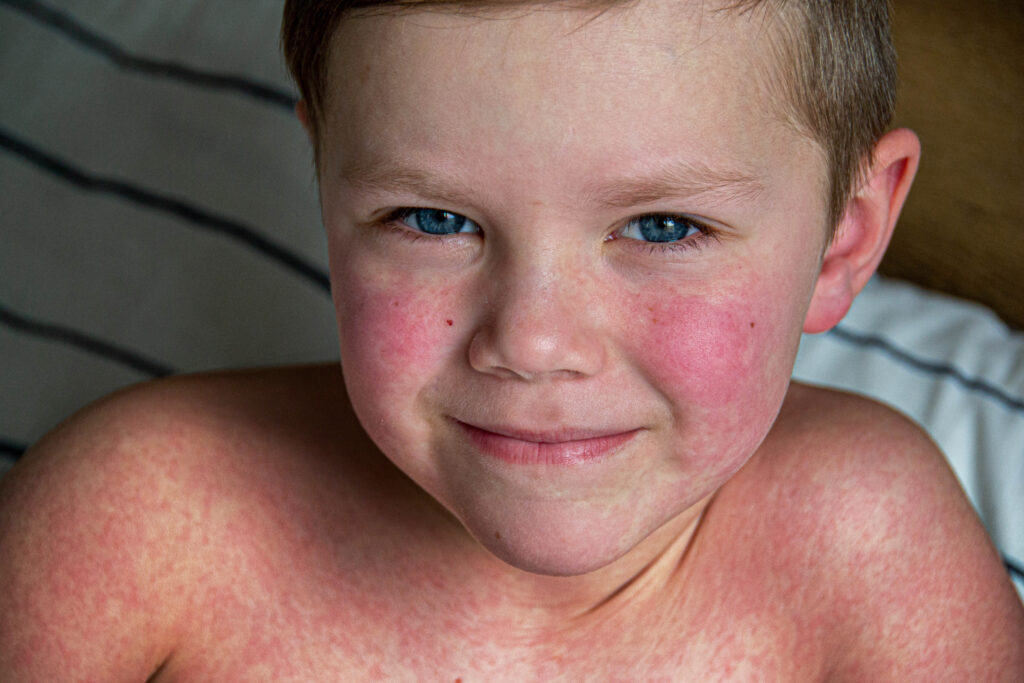
Common Summer Rashes in Children: Symptoms, Causes, and Prevention

Introduction

During the warmer months, common summer rashes in children can appear more often. These skin problems may worry parents and caregivers. However, knowing the signs and causes can help you act quickly. Early awareness is important because some rashes need special care. In this blog, we will explain the types, symptoms, causes, and prevention of summer rashes in kids. This way, you can help keep your child’s skin healthy all season long.

What Are Common Summer Rashes in Children?

Summer brings heat, sweat, and outdoor play. As a result, children are more likely to develop certain skin rashes. Here are the most frequent types:

  • Heat Rash (Prickly Heat): Small red bumps caused by blocked sweat glands.
  • Eczema Flare-Ups: Dry, itchy patches that worsen in hot weather.
  • Contact Dermatitis: Red, itchy skin from touching plants, soaps, or chemicals.
  • Insect Bite Reactions: Swelling and redness from mosquito or other bug bites.
  • Each type has its own triggers and symptoms. Still, all can cause discomfort for your child.

    Symptoms to Watch For

    Recognizing symptoms early can help you manage summer skin problems in kids. Look for these signs:

  • Heat Rash: Tiny red or pink bumps, often on the neck, chest, or back. Sometimes, the skin feels prickly or itchy.
  • Eczema Flare-Ups: Dry, rough, or scaly patches. These may appear on the face, arms, or legs. Itching is common and can be severe.
  • Contact Dermatitis: Red, swollen, or blistered skin. The rash often appears where the skin touched an irritant.
  • Insect Bite Reactions: Raised, red bumps or welts. Sometimes, there is swelling or a small blister at the bite site.
  • For example, if your child scratches a lot or complains of itching, check for these symptoms.

    Causes and Risk Factors

    Many things can cause or worsen summer rashes in children. Understanding these can help you prevent problems.

  • Heat and Sweat: Hot, humid weather makes children sweat more. Sweat can block pores and cause heat rash.
  • Allergens: Plants, pollen, or chemicals in soaps and lotions may trigger contact dermatitis.
  • Insect Bites: Mosquitoes and other bugs are more common in summer. Their bites can cause skin reactions.
  • Existing Skin Conditions: Children with eczema or sensitive skin are at higher risk for flare-ups.
  • Additionally, playing outside without protective clothing can increase the risk of rashes.

    Diagnosis

    Often, parents can spot common rashes by their appearance and location. However, some rashes look similar. Here’s how you and your doctor can identify them:

  • Check if the rash appears after heat, sweating, or outdoor play.
  • Notice if the rash is itchy, painful, or spreading.
  • Look for other symptoms like fever or swelling.
  • If unsure, a pediatrician can examine the rash and ask about recent activities.
  • Sometimes, a doctor may suggest allergy testing or a skin swab if the rash is severe or not improving.

    Treatment and Home Care

    Most summer rashes in children can be managed at home. Still, knowing safe remedies is important. Here are some tips:

  • Keep Skin Cool: Dress your child in light, loose clothing. Stay indoors during peak heat.
  • Use Cool Compresses: Apply a cool, damp cloth to the rash for relief.
  • Avoid Scratching: Trim nails and distract your child to prevent skin damage.
  • Moisturize: Use gentle, fragrance-free creams for eczema or dry skin.
  • Over-the-Counter Creams: Calamine lotion or hydrocortisone cream may help mild itching. Always follow package directions.
  • However, if the rash is spreading, painful, or comes with fever, seek medical help. According to the CDC, some rashes may need prescription medicine or allergy treatment.

    Prevention Tips

    Preventing rashes is often easier than treating them. Try these steps to reduce the risk of summer skin problems in kids:

  • Dress children in breathable, cotton clothing.
  • Keep skin dry by changing sweaty clothes quickly.
  • Use gentle, fragrance-free soaps and lotions.
  • Apply insect repellent when outdoors, especially in hot and humid climates.
  • Encourage regular hand and face washing after outdoor play.
  • Teach children to avoid scratching bug bites or rashes.
  • Watch for early signs of irritation and treat promptly.
  • With these steps, you can help prevent most common summer rashes in children.

    When to Consult a Pediatrician

    Most rashes are mild and go away with home care. Yet, some signs mean you should call a doctor:

  • Rash is spreading quickly or covers large areas
  • Child has a fever, trouble breathing, or swelling of the face
  • Rash is painful, blistering, or oozing pus
  • Symptoms do not improve after a few days of home care
  • Early medical advice can prevent complications and help your child feel better sooner.

    Conclusion

    In summary, common summer rashes in children can be managed with simple steps. Knowing the symptoms, causes, and prevention tips helps keep your child comfortable. If your child develops a rash or you have concerns, consult a pediatrician for personalized advice.