Introduction
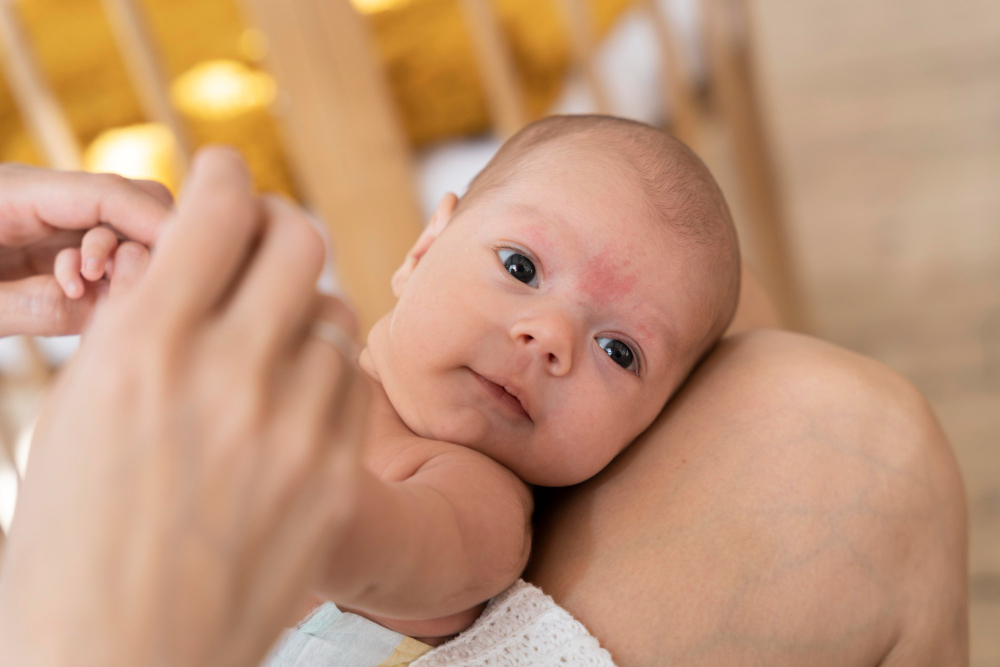
Many parents notice common skin problems in newborns during the first weeks of life. These issues can look scary, but most are normal and harmless. For example, newborn skin care is important because a baby’s skin is thin and sensitive. As a result, new parents often worry about rashes, dry patches, or bumps. However, most baby skin problems clear up on their own. Understanding these conditions helps parents feel calm and confident.
Symptoms
Common skin problems in newborns can show up in many ways. For instance, you might see:
Sometimes, these symptoms may look worse after a bath or in warm weather. But, most of the time, they do not bother the baby.
Causes
Newborn skin problems often happen because a baby’s skin is still developing. For example, diaper rash can occur when skin stays wet for too long. Baby acne may appear due to hormones passed from mother to baby before birth. In addition, cradle cap forms when oil glands in the scalp make extra oil. Heat rash happens if a baby gets too warm or sweats. Dry skin is common because newborns lose the outer layer of skin after birth. According to the CDC, these issues are rarely caused by allergies or infections.
Diagnosis
Pediatricians can usually identify common skin problems in newborns by looking at the skin. First, they will ask about your baby’s symptoms and daily care. Next, they may check if the rash looks like a typical baby skin problem. Rarely, a doctor might suggest tests if the rash does not improve or looks unusual. Most of the time, no special tests are needed. However, always tell your doctor if you see blisters, open sores, or if your baby seems unwell.
Treatment and Care
Most baby skin problems get better with simple home care. For diaper rash, change diapers often and let the skin dry before putting on a new one. You can use a gentle barrier cream. For baby acne, wash the face with water and avoid scrubbing. Cradle cap often improves with mild baby shampoo and gentle brushing. If your baby has heat rash, keep them cool and dress them in light clothes. For dry skin, use a fragrance-free moisturizer. However, if a rash spreads quickly, looks infected, or your baby has a fever, contact your pediatrician right away. The WHO recommends using only products made for babies to avoid irritation.
Prevention
There are many ways to help prevent common skin problems in newborns. For example:
Additionally, always wash your hands before touching your baby’s skin. This helps prevent the spread of germs.
Lifestyle Guidance
Daily newborn skin care is simple but important. Start by bathing your baby two to three times a week with warm water. Use a gentle baby cleanser if needed. After bathing, pat the skin dry and apply a baby-safe moisturizer. In addition, check your baby’s skin every day for redness or rashes. If you notice any changes, adjust your care routine. For example, try using fewer products or changing the type of diaper. Always keep your baby’s nails short to prevent scratching. With these safe baby skincare tips, you can help keep your newborn’s skin healthy and soft.