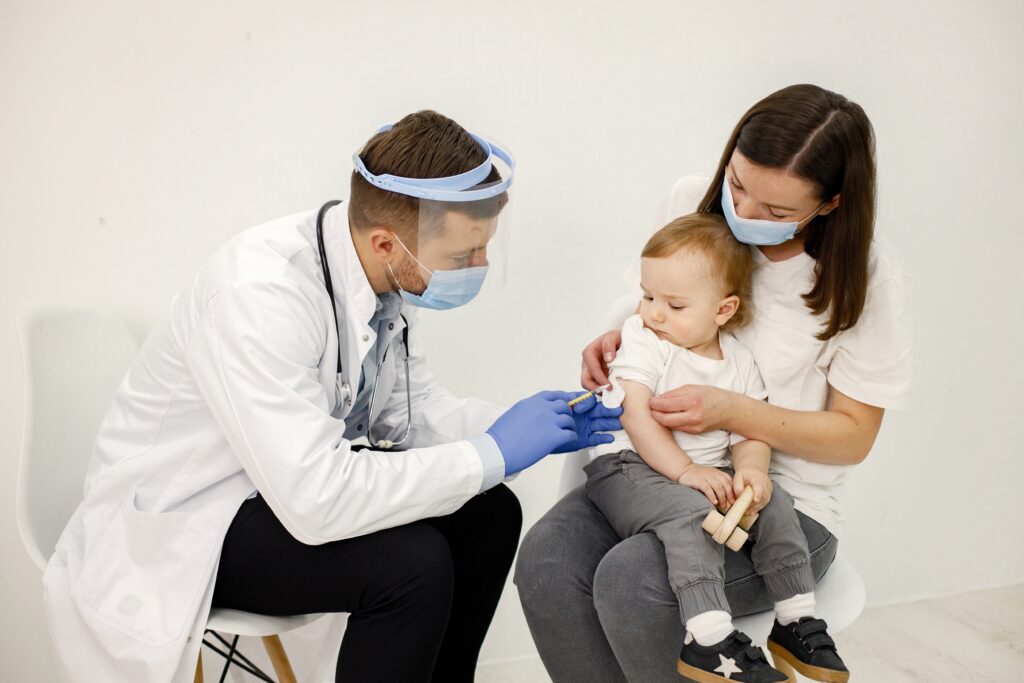
Vaccines in children play a key role in keeping kids healthy. Many parents have questions about childhood immunization and vaccine safety. In this blog, you will learn five important facts about vaccines in children. These facts can help you make informed choices for your child’s health. Let’s explore what every parent should know about pediatric vaccines.
Fact 1: Vaccines Protect Children from Serious Diseases
First, vaccines help prevent many dangerous illnesses in children. For example, vaccines protect against measles, mumps, polio, and whooping cough. Without vaccines, these diseases could spread quickly. According to the CDC, childhood immunization has saved millions of lives worldwide. Because of vaccines, many diseases are now rare or even gone in some areas.
Fact 2: Vaccines Are Safe and Carefully Tested
Next, vaccine safety is a top priority for health experts. Before any vaccine is given to children, it goes through years of careful testing. The World Health Organization (WHO) and the Centers for Disease Control and Prevention (CDC) review all data. After approval, experts continue to monitor vaccines for safety. Most side effects are mild, like a sore arm or low fever. Serious reactions are very rare.
Fact 3: Childhood Immunization Schedules Are Important
Following the recommended vaccine schedule is important for full protection. Each vaccine is given at the best age to work well. For instance, some shots are needed in the first year, while others come later. Sticking to the schedule helps your child build strong immunity. If you miss a dose, your doctor can help you catch up.
Fact 4: Vaccines Help Protect Others in the Community
Additionally, vaccines do more than protect your child. When most children get vaccinated, it is harder for diseases to spread. This is called herd immunity. As a result, even those who cannot get vaccines, like newborns or kids with certain health issues, stay safer. Your choice to vaccinate helps protect everyone.
Fact 5: Myths About Vaccines Are Not Based on Science
Finally, some myths about vaccines in children still cause worry. However, studies show vaccines do not cause autism or other major health problems. Trusted groups like the CDC and WHO confirm that vaccines are safe and effective. If you have concerns, talk to your child’s doctor. They can give you facts based on science, not rumors.
In summary, vaccines in children are safe, effective, and protect both your child and your community. For personalized vaccine guidance, consult your pediatrician today.