What Are Burns and Scalds in Children?
Burns and scalds at home are common injuries among children in the US. A burn happens when skin touches something hot, like a stove or flame. A scald is a burn from hot liquids or steam. Both can hurt the skin and may need quick care. Children’s skin is thinner than adults’, so they can get hurt more easily. For this reason, knowing about pediatric burn first aid is very important for parents and caregivers.
Common Causes of Burns and Scalds at Home
Many burns in children at home happen during daily activities. For example, a child might touch a hot pan or spill hot water. Understanding the risks can help keep your child safe. Here are some common causes:
Because children explore their world, they may not know what is dangerous. Therefore, it is important to watch them closely, especially in the kitchen or bathroom.
Recognizing the Severity of a Burn or Scald
Not all burns are the same. Some are mild, while others are very serious. Knowing the difference helps you decide what to do next. Burns are usually grouped by how deep they go:
For home scald injury, the size and depth matter. If a burn is larger than the child’s palm or is on the face, hands, feet, or groin, it is more serious. In these cases, you should get medical help right away.
Immediate First Aid Steps for Burns and Scalds
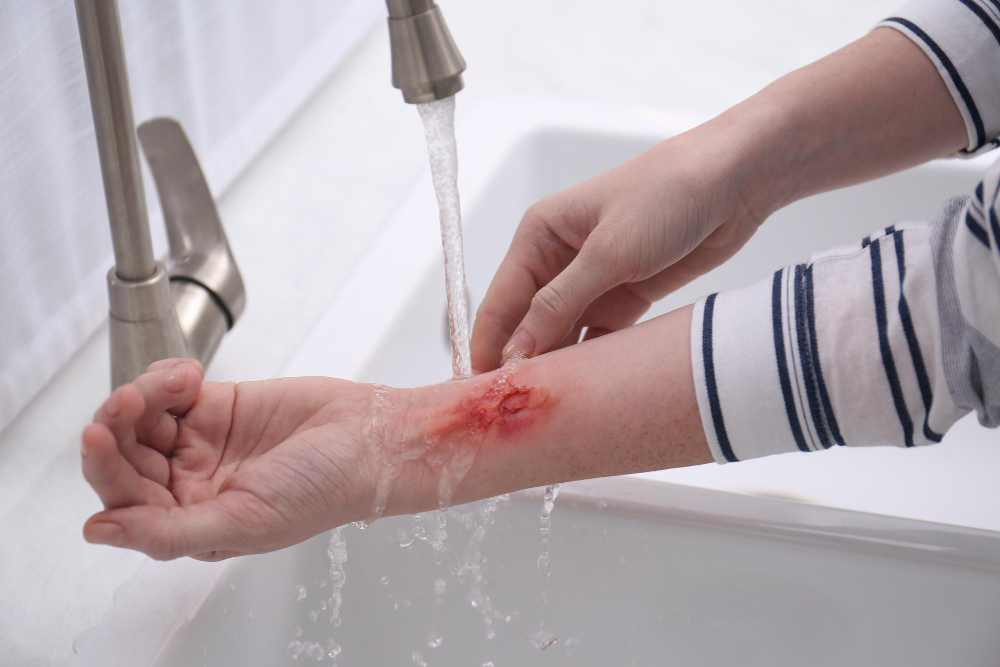
Quick action can help reduce damage from burns and scalds at home. The CDC and WHO recommend these steps for pediatric burn first aid:
Because burns can get worse quickly, always watch for signs of shock, like pale skin or fast breathing. If you see these, seek help at once.
When to Seek Medical Attention
Some burns need a doctor’s care right away. For example, you should call emergency services if:
Because children’s skin heals differently, it is better to be safe and get medical advice. When in doubt, contact your local healthcare provider or visit the emergency room.
Understanding Skin Grafting in Pediatric Burns
Sometimes, burns are so deep that the skin cannot heal on its own. In these cases, doctors may suggest skin grafting. But when is skin grafting needed for burns? Usually, it is needed if the burn covers a large area or goes through many layers of skin. During a skin graft, healthy skin is taken from another part of the body and placed over the burn. This helps the wound heal and lowers the risk of infection. Although the idea may sound scary, skin grafting can help children recover faster and with less scarring. Doctors will explain the process and answer any questions you may have.
Preventing Burns and Scalds at Home
Preventing burns and scalds at home is possible with a few simple steps. For example, you can:
Because accidents can happen quickly, always stay close when children are near hot items. Following these child burn prevention tips can help keep your family safe.