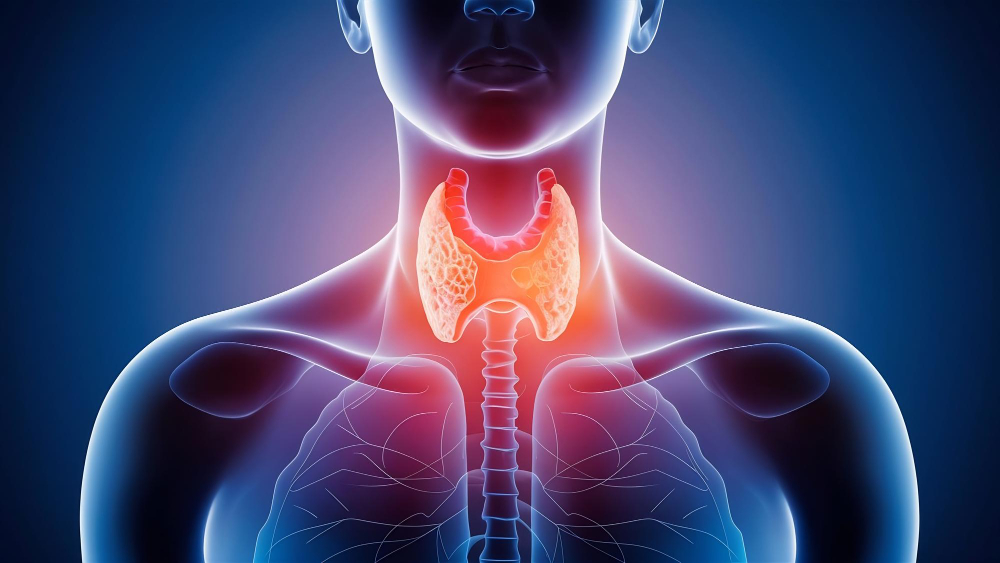
What Is Hypothyroidism and Why Does It Matter for Women?
Hypothyroidism happens when the thyroid gland does not make enough hormones. These hormones help control your body’s energy and many other functions. Because women are more likely to get hypothyroidism than men, it is important to know the early signs of hypothyroidism in women. According to the World Health Organization, thyroid problems are common in women, especially as they age. For this reason, knowing what to look for can help you get care sooner.
Early Signs and Symptoms of Hypothyroidism in Women
At first, symptoms can be mild and easy to miss. However, catching them early can make a big difference. Here are some early signs to watch for:
Sometimes, these symptoms may seem like normal changes. Still, if they last or get worse, it is wise to talk to your doctor.
Common Causes and Risk Factors
Several things can cause hypothyroidism. In many cases, the immune system attacks the thyroid, a condition called Hashimoto’s disease. Yet, other causes include:
Because women face higher risks, especially after age 60 or during pregnancy, staying aware of these factors is important.
How Is Hypothyroidism Diagnosed?
Doctors use simple blood tests to check for hypothyroidism. First, they measure a hormone called TSH (thyroid-stimulating hormone). If TSH is high, it can mean your thyroid is not working well. Next, your doctor may check levels of another hormone called T4. Together, these tests help confirm the diagnosis. Sometimes, doctors may order more tests to find the cause.
When Should Women Get Tested for Hypothyroidism?
It can be hard to know when to get tested for hypothyroidism. However, you should consider testing if you notice several early signs of hypothyroidism in women, especially if they last for weeks. Also, you may need testing if you:
Even if you feel fine, regular check-ups can help catch problems early. For example, women with risk factors may need testing every few years.
Lifestyle Guidance for Women at Risk
Although you cannot always prevent hypothyroidism, healthy habits can help. For instance, eating a balanced diet supports your thyroid. Choose foods with enough iodine, such as dairy, eggs, and fish. Still, most people get enough iodine from regular meals. In addition, regular exercise boosts energy and mood. Try to manage stress, as it can affect your health in many ways. If you smoke, quitting can lower your risk of thyroid problems.
Prevention Tips and Monitoring Strategies
While not all cases can be prevented, you can take steps to lower your risk. Here are some tips:
Because early care can prevent problems, staying alert to symptoms and risk factors is key. With the right steps, women can manage their thyroid health and feel their best.