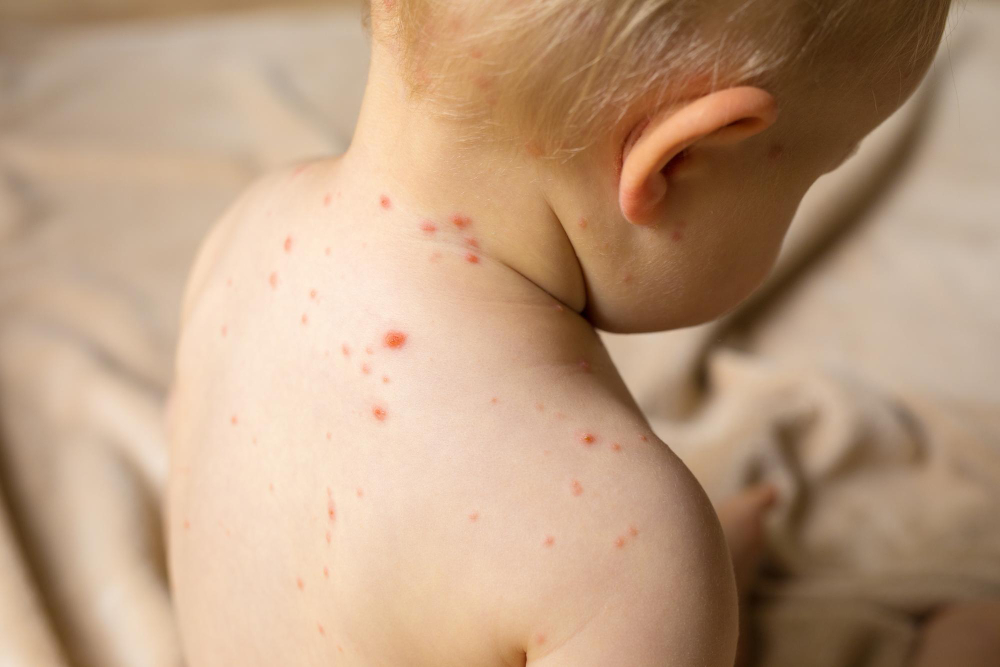
Chickenpox is a common illness in children. It causes an itchy rash and small blisters. Because it is very contagious, it can spread quickly among kids. Understanding how chickenpox spreads is important for every parent. This knowledge helps you protect your child and others from chickenpox infection.
How Chickenpox Spreads
Chickenpox transmission happens easily, especially in places where children gather. The virus spreads in several ways. Knowing these can help you prevent the illness.
Because chickenpox is a contagious disease in children, it is important to act quickly if you suspect an infection.
Symptoms of Chickenpox
Chickenpox symptoms often start mild but can become uncomfortable. Watch for these signs in your child:
Usually, the rash appears first on the face, chest, or back. Then, it spreads to other parts of the body.
How to Protect Your Child
There are several ways to keep your child safe from chickenpox. Chickenpox prevention for kids is possible with these steps:
By following these tips, you are protecting children from chickenpox and helping stop the spread in your community.
When to See a Doctor
Most cases of chickenpox are mild. However, you should see a doctor if:
Early medical care can help prevent serious problems.
Conclusion and Call-to-Action
In summary, chickenpox spreads easily among children through the air, touch, and surfaces. You can protect your child with vaccination, good hygiene, and by avoiding contact with infected people. If you notice warning signs or have concerns, consult a pediatrician for personalized advice if you suspect your child has chickenpox.